
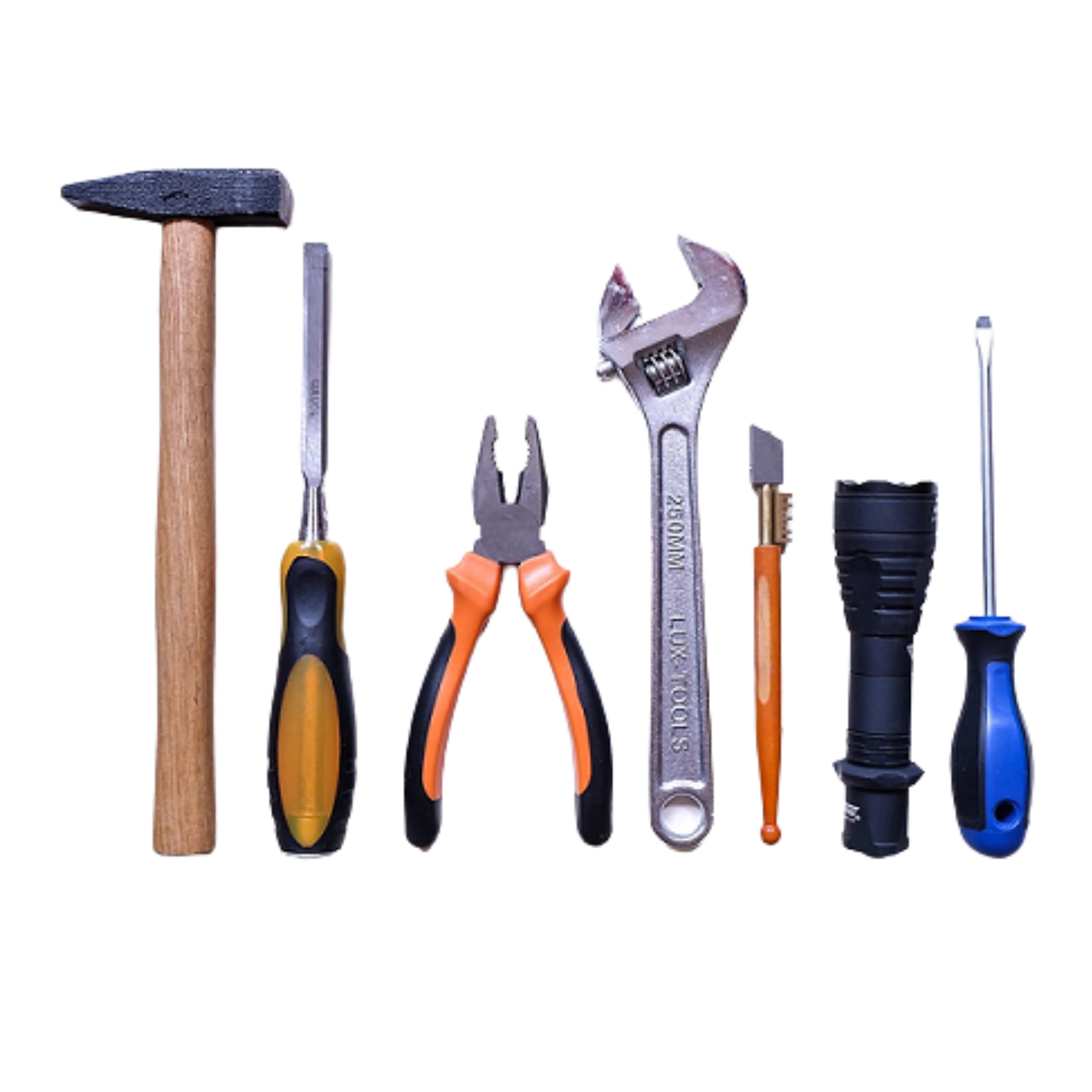
How to Choose the Right Industrial Tools for Your Workshop
Setting up a workshop is an investment — and the quality of your work often depends on the tools you use. Whether you’re a professional mechanic, a factory operator, or a serious DIY enthusiast, choosing the right industrial tools can make all the difference in productivity, safety, and performance. Here’s a practical guide to help you make smart, cost-effective decisions when equipping your workshop.
1. Define Your Workshop Needs
Before buying tools, ask yourself:
- What type of work will you do most frequently?
- Are you focusing on metalwork, woodwork, repairs, construction, or automotive work?
- Will you need portable or fixed equipment?
Clarity on your purpose helps avoid buying unnecessary or underpowered tools.
2. Invest in Quality Over Quantity
It’s tempting to go for cheaper or bulk toolsets, but industrial tools are long-term assets. Look for:
- Durable materials like forged steel or industrial-grade alloy
- Brand reputation and product reviews
- Warranty and after-sales support
Brands like Bosch, Makita, DeWalt, and Hitachi are known for industrial reliability.
3. Choose Multi-Functional Tools
Space and budget are often limited in workshops. Consider tools that serve multiple purposes:
- A hammer drill that works for both concrete and wood
- A multi-head rotary tool for grinding, cutting, and polishing
- A welding machine that supports both MIG and arc welding
This reduces clutter and maximizes utility.
4. Evaluate Power Sources
Decide between manual, electric, pneumatic (air-powered), or hydraulic tools based on:
- The type of tasks
- Available power supply
- Long-term operating costs
Electric tools are ideal for versatility, while pneumatic tools suit high-volume industrial use.
5. Prioritize Safety Features
Your tools should be as safe as they are strong. Always look for:
- Automatic shutoff mechanisms
- Insulated handles
- Safety guards
- Overheat or overload protection
Ensure your workspace includes protective gear like gloves, eyewear, and dust masks too.
6. Match Tool Sizes to Your Projects
Oversized tools may be powerful, but they’re not always practical. Choose tool sizes and capacities that match the scope of your work. Precision jobs may require compact tools with finer control.
7. Don’t Ignore Storage and Maintenance
Well-maintained tools last longer. Choose tools that are:
- Easy to clean and service
- Compatible with toolboxes, stands, or wall mounts
- Designed for harsh industrial environments
Look for rust-resistant coatings and tools with replaceable parts.
Conclusion
Choosing the right industrial tools is a mix of understanding your work, selecting high-quality products, and planning for long-term use. A well-equipped workshop leads to better efficiency, higher accuracy, and a safer working environment. Start with essential tools and grow your collection based on evolving needs and projects.